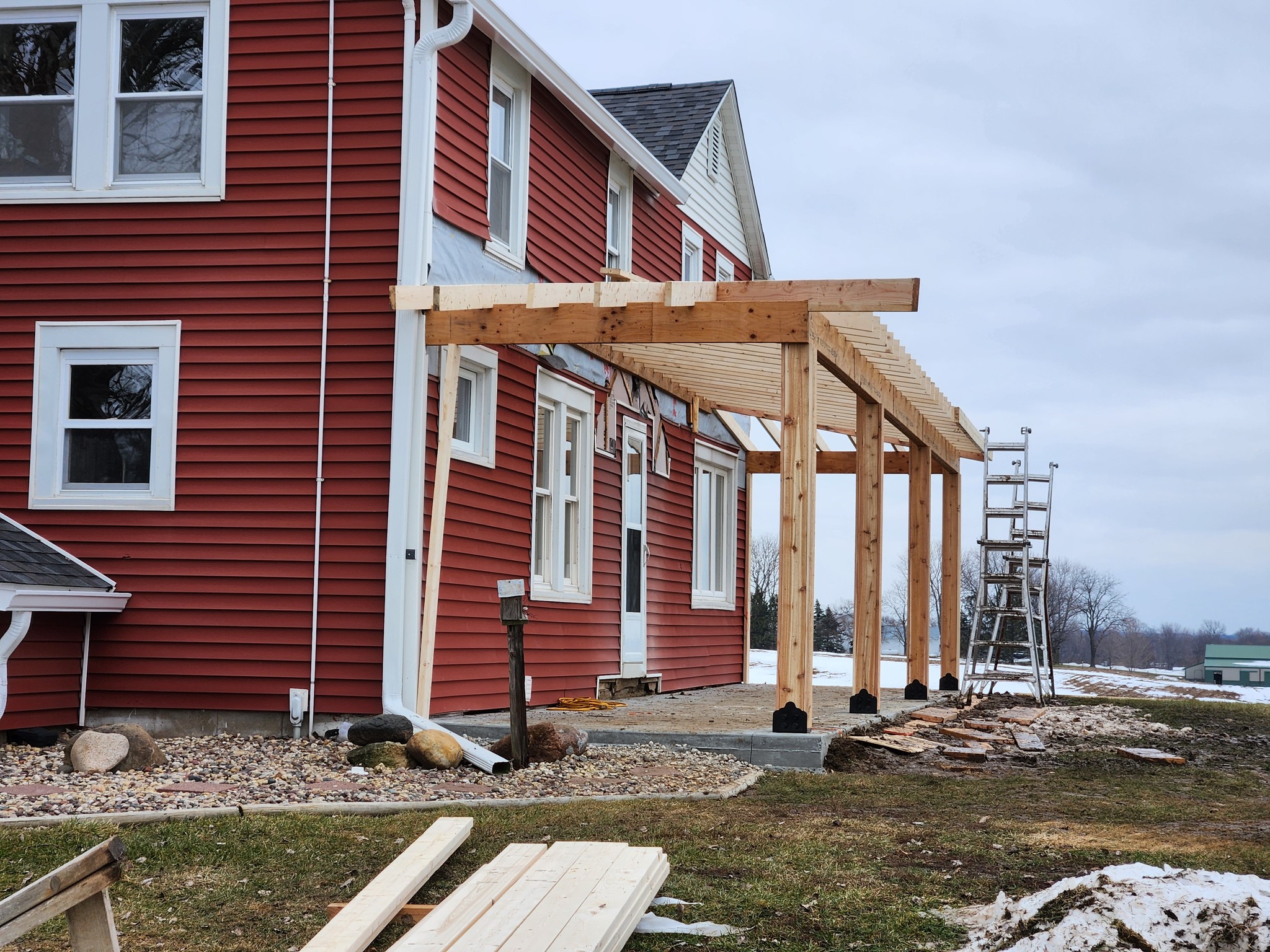
Which Upgrades Increase Construction Cost the Most?
Why Some “Small” Upgrades Explode the Budget
Homeowners often enter construction or remodeling projects with a clear base plan—and then gradually add “just a few upgrades.” Individually, those upgrades may seem reasonable. Collectively, they’re often the reason a project costs far more than expected.
For homeowners in Illinois City, Illinois, this is a common pain point. What starts as a straightforward renovation can shift dramatically once higher-end materials, layout changes, or system upgrades enter the picture. The surprise isn’t that upgrades cost more—it’s how much certain upgrades multiply overall construction costs.
This guide breaks down which upgrades increase construction costs the most, why they’re expensive beyond the sticker price, and how homeowners can evaluate whether an upgrade is truly worth the added investment.
Why Some Upgrades Drive Costs Disproportionately
Not all upgrades behave the same way. Some increase cost only through materials. Others trigger secondary costs that affect labor, scheduling, inspections, and even structural work.
The most expensive upgrades usually share one or more of these traits:
They affect multiple trades
They require re-engineering existing systems
They add complexity rather than surface-level improvement
They disrupt construction sequencing
Understanding these traits helps explain why certain upgrades escalate budgets quickly.
The Upgrades That Increase Construction Costs the Most
Structural Layout Changes
Few upgrades affect cost as dramatically as altering a home’s structure.
Examples include:
Removing or relocating load-bearing walls
Raising ceilings or changing rooflines
Expanding floor plans
Reconfiguring major room layouts
These upgrades often require:
Engineering analysis
Structural reinforcement
Permit revisions
Additional inspections
Extended labor timelines
Even when the visual change appears modest, the structural work behind it can be extensive.
Plumbing Relocation and Expansion
Moving plumbing fixtures is one of the most underestimated cost drivers in construction.
High-impact plumbing upgrades include:
Relocating kitchens or bathrooms
Adding additional bathrooms
Installing custom showers or tubs
Expanding utility rooms
Plumbing upgrades increase cost because they affect:
Drain and vent systems
Water supply lines
Floor and wall assemblies
Inspection requirements
In older homes around Illinois City, plumbing upgrades may also require bringing existing systems up to current standards.
Electrical System Upgrades
Electrical upgrades go far beyond adding outlets or fixtures when they involve system changes.
Cost-heavy electrical upgrades include:
Panel upgrades
Whole-home rewiring
Adding high-load appliances or equipment
Advanced lighting systems
Smart-home or integrated control systems
Electrical work often triggers additional coordination with other trades and can slow project sequencing, increasing labor costs.
High-End Finish Packages
Luxury finishes don’t just cost more to purchase—they usually cost more to install.
Examples include:
Custom cabinetry
Natural stone surfaces
Specialty tile patterns
Premium flooring systems
Custom millwork
These upgrades raise costs through:
Longer installation times
Higher precision requirements
Increased waste factors
Specialized labor
Finish upgrades can also affect scheduling if materials have longer lead times.
Custom Design Features
Customization increases cost by removing efficiencies.
High-impact custom upgrades include:
Built-in furniture or storage
Unique architectural features
One-off design elements
Non-standard dimensions
Custom features reduce repeatability, increase labor hours, and often require additional design coordination.
Energy and Performance Upgrades
Energy-efficient and performance-focused upgrades can be valuable—but they often come with significant upfront costs.
Examples include:
Advanced insulation systems
High-performance windows
Specialized ventilation systems
Structural energy improvements
While these upgrades may reduce long-term operating costs, they often increase initial construction budgets through material and labor complexity.
How Upgrades Multiply Costs (Not Just Add Them)
A common misconception is that upgrades simply add their own price to the project. In reality, many upgrades compound costs.
For example:
A layout change affects framing, electrical, plumbing, and finishes
A finish upgrade may require structural support changes
A system upgrade can trigger code compliance updates elsewhere
This ripple effect explains why a single upgrade can add far more to the budget than its material price alone suggests.
How Homeowners Should Evaluate Cost-Heavy Upgrades
Step 1: Identify Whether the Upgrade Is Structural or Surface-Level
Surface-level upgrades typically affect finishes only. Structural or system upgrades affect multiple layers of construction and carry higher cost risk.
Step 2: Ask What Else the Upgrade Triggers
Before committing, ask:
Does this affect other trades?
Does this change the construction sequence?
Does this require additional permits or inspections?
The more “yes” answers, the higher the cost impact.
Step 3: Separate Function From Preference
Some upgrades improve daily function. Others are aesthetic. Functional upgrades often justify higher cost better than preference-driven ones.
Step 4: Evaluate Long-Term Value
High-cost upgrades should be measured against:
Longevity
Maintenance impact
Energy savings
Resale considerations
Not every expensive upgrade delivers long-term value.
Frequently Asked Questions About Costly Upgrades
What upgrade increases construction cost the most?
Structural changes typically have the largest cost impact due to engineering, labor, and coordination requirements.
Are finish upgrades or system upgrades more expensive?
System upgrades often cost more overall because they affect multiple trades and may require code compliance updates.
Why do upgrades cause budgets to exceed estimates?
Upgrades frequently introduce secondary costs that aren’t obvious at the decision stage.
Can homeowners reduce upgrade costs without removing features?
Sometimes. Simplifying designs, selecting alternative materials, or limiting scope can reduce cost impact.
Should upgrades be decided early or during construction?
Early decisions are almost always less expensive. Mid-project upgrades disrupt schedules and increase labor costs.
Why Upgrade Costs Matter Locally in Illinois City, Illinois
In Illinois City, Illinois, many homes vary in age and construction style. Upgrades that interact with older systems often carry higher cost due to compatibility and compliance requirements. Local permitting and inspection processes can also amplify the cost impact of major upgrades.
Understanding these regional factors helps homeowners anticipate upgrade-related cost escalation before it occurs.
Final Thoughts: The Most Expensive Upgrades Are the Ones That Multiply Work
Upgrades don’t just add cost—they reshape the entire construction process. The most expensive upgrades are those that trigger structural changes, system modifications, and multi-trade coordination.
For homeowners in Illinois City, Illinois, understanding which upgrades carry the greatest cost impact allows for smarter planning and fewer surprises. Fowler Construction helps homeowners evaluate upgrade decisions realistically by identifying not just the visible cost, but the hidden work behind it.
