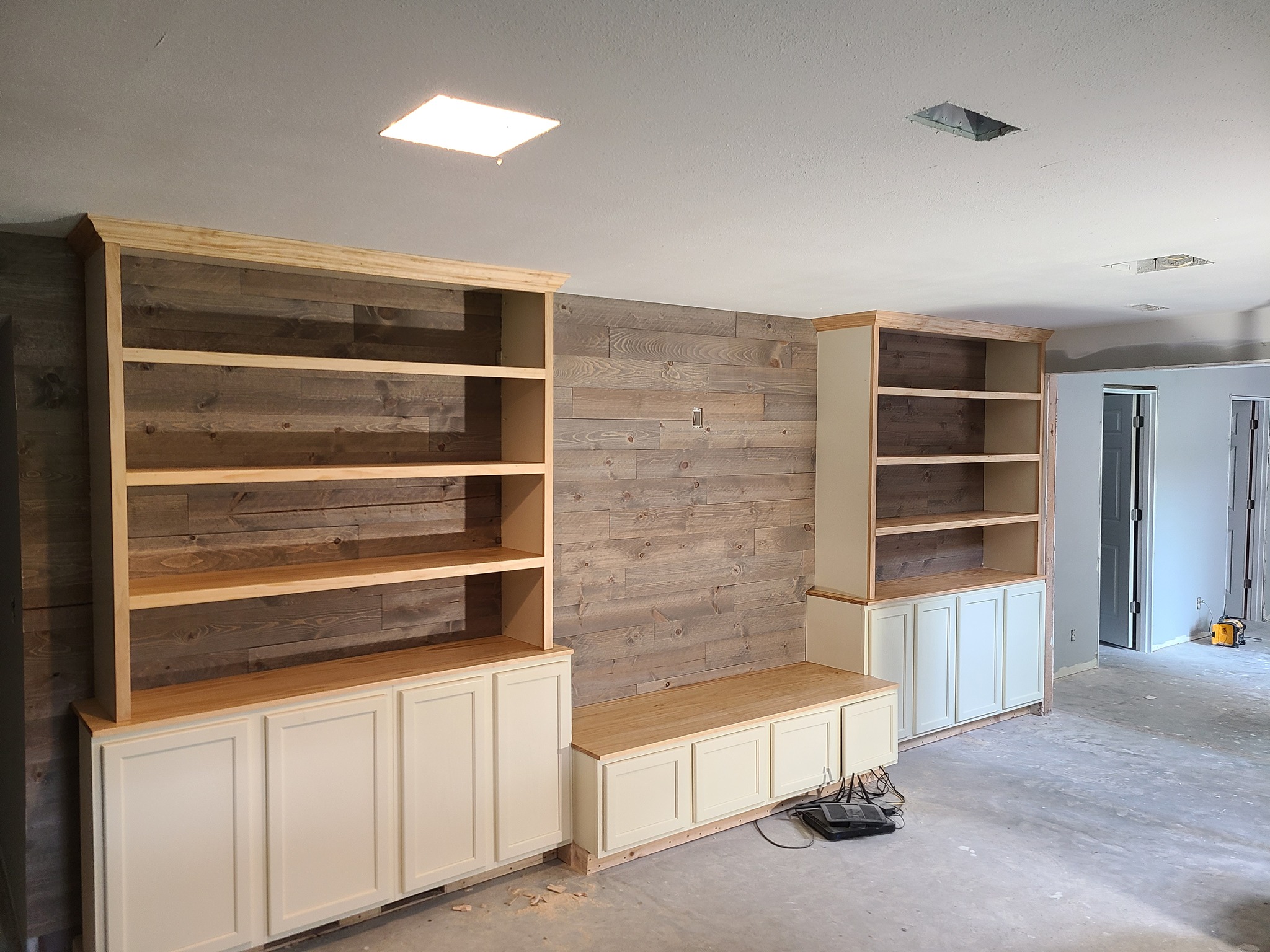
What Are the Biggest Construction Cost Factors?
Why Construction Costs Feel So Unpredictable
Many homeowners start a construction or remodeling project expecting a clear price range, only to discover that costs shift as planning moves forward. Estimates vary, budgets stretch, and it can feel like construction pricing is unpredictable or inconsistent.
For homeowners in Illinois City, Illinois, this confusion usually comes from not knowing what actually drives construction costs. While square footage and materials are often mentioned, they’re only part of the picture. In reality, construction pricing is shaped by a combination of visible choices and behind-the-scenes factors that interact throughout the project.
This guide explains the biggest construction cost factors homeowners should understand before starting a project—so expectations are realistic, decisions are informed, and budgets are built with fewer surprises.
The Major Factors That Influence Construction Costs
Construction costs are not random. They are the result of specific conditions, decisions, and project requirements. Understanding these factors helps homeowners evaluate estimates more clearly and plan with confidence.
Project Scope and Complexity
Scope is the foundation of construction pricing. The more work involved, the more labor, coordination, and time the project requires.
Scope expands when a project includes:
Structural changes
Layout modifications
Utility relocation
Multi-room renovations
Custom features or designs
Even small changes to scope mid-project can increase costs significantly due to rework, rescheduling, or additional inspections.
Materials and Finish Selections
Material choices influence cost in two ways: purchase price and installation complexity. Higher-end materials often require more precise installation, specialized labor, or longer timelines.
Material-related cost drivers include:
Type and grade of materials
Availability and lead times
Installation requirements
Long-term durability expectations
In Illinois City, material pricing can also fluctuate seasonally or due to regional supply conditions.
Labor and Trade Coordination
Labor represents a major portion of construction costs. Projects that involve multiple trades—such as framing, electrical, plumbing, and finish work—require careful sequencing.
Labor costs increase when:
Workspaces are tight or difficult to access
Trades must return multiple times
Specialized skills are required
Schedules are compressed or delayed
Coordination between trades is often invisible to homeowners but plays a significant role in pricing.
Property Conditions and Existing Structure
Every home presents unique conditions. Older homes, in particular, can introduce challenges that aren’t apparent during initial planning.
Common property-related cost factors include:
Outdated electrical or plumbing systems
Structural inconsistencies
Hidden water or moisture damage
Uneven floors or framing
These conditions often require corrective work before new construction can proceed.
Permits, Inspections, and Local Requirements
Construction projects must comply with local regulations. Permitting and inspection requirements vary by location and project type.
In Illinois City, Illinois, timelines for approvals and inspections can influence scheduling and labor availability. Delays in these areas often increase costs indirectly by extending project duration.
Timeline and Scheduling
Time affects cost more than many homeowners expect. Longer projects typically require more labor hours, extended equipment use, and additional project management.
Costs may increase when:
Projects are rushed or expedited
Weather causes delays
Material deliveries are late
Scheduling conflicts arise
Flexibility in timelines often helps control overall cost.
How Homeowners Can Evaluate Cost Factors Before Building
Rather than focusing on a single estimate, homeowners benefit from evaluating how these cost factors apply to their specific project.
Step 1: Define the Full Scope Early
Clearly outline:
What will change
What will stay the same
What level of finish is expected
Clear scope reduces uncertainty and prevents mid-project cost escalation.
Step 2: Prioritize Function Over Appearance
Functional upgrades—such as layout efficiency, structural integrity, and system reliability—often provide better long-term value than purely cosmetic changes.
Step 3: Ask How Decisions Affect Cost
When reviewing options, ask:
Does this require additional labor?
Does this affect the schedule?
Does this increase future maintenance?
Understanding these impacts helps homeowners make cost-aware decisions.
Step 4: Plan for Contingencies
Most experienced homeowners and builders anticipate unexpected discoveries. Planning a contingency allows projects to move forward without stress when surprises arise.
Frequently Asked Questions About Construction Cost Factors
What is the biggest factor affecting construction costs?
Project scope is the primary driver. Larger, more complex projects require more labor, coordination, and materials, which increases cost.
Do material choices matter more than labor costs?
Both are important. Materials affect purchase price and installation time, while labor reflects the skill, time, and coordination required to complete the work.
Why do construction costs increase once work starts?
Hidden conditions, scope changes, or scheduling delays often surface during construction, affecting labor and material needs.
Are construction costs higher for older homes?
Older homes may require system updates or structural corrections, which can increase overall project costs.
Can homeowners reduce construction costs without sacrificing quality?
Yes. Clear planning, realistic timelines, and early decision-making help control costs while maintaining quality.
Why Local Factors Matter When Evaluating Construction Costs
Construction costs are influenced by regional conditions. Homes in Illinois City vary widely in age, design, and construction methods, all of which affect labor requirements and planning.
Local experience helps account for:
Common building conditions
Regional permit processes
Seasonal construction challenges
Material availability
These factors explain why national averages often fail to reflect local project realities.
Final Thoughts: Understanding Costs Leads to Better Decisions
Construction costs are shaped by identifiable factors—not guesswork. Homeowners who understand how scope, materials, labor, and property conditions interact are better prepared to evaluate estimates and plan effectively.
For homeowners in Illinois City, Illinois, working with professionals who understand both construction fundamentals and local conditions helps turn cost planning into a practical process. Fowler Construction approaches projects with that clarity, helping homeowners make informed decisions grounded in real-world construction factors.
