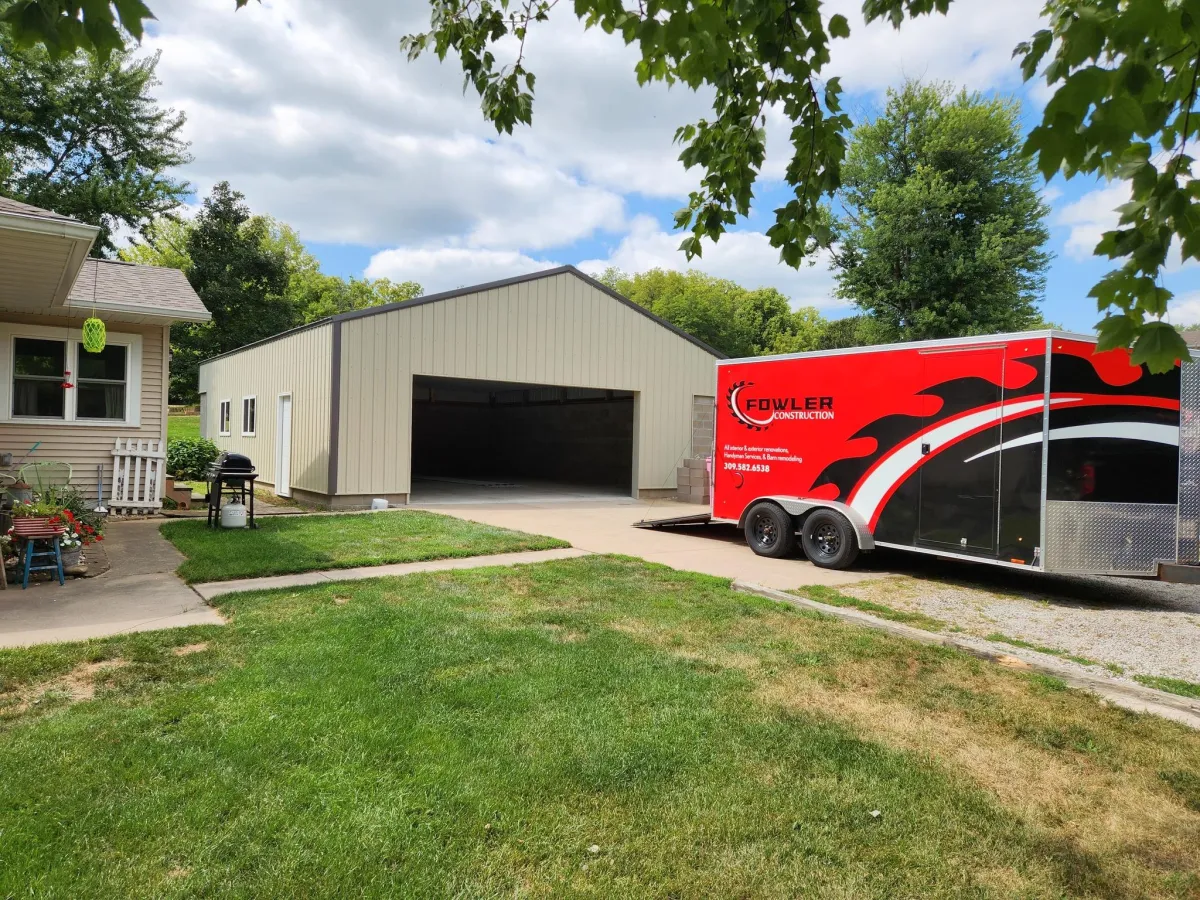
What to Know Before Adding a Garage or Home Addition
Thinking about expanding your living space or finally building that dream garage? A home addition is one of the most rewarding upgrades a homeowner can make—but it’s also one of the most complex. Whether you’re adding square footage for a growing family or creating a new functional area like a sunroom or workshop, planning is everything.
For homeowners in the Quad Cities, Illinois, understanding the design, budgeting, and construction process helps avoid costly mistakes. In this guide, we’ll break down what you need to know before adding a garage or home addition, including key planning steps, local considerations, and how to ensure your project adds long-term value to your home.
Understanding Home Additions and Garage Expansions
A home addition can be as simple as extending a kitchen or as large as building a new wing or second story. Similarly, adding a garage isn’t just about parking—it’s about creating storage, workspace, or even a future living area.
Common Types of Additions
Attached Additions: Extend your existing structure (bedroom, kitchen, or living room).
Detached Additions: Separate buildings like garages, guesthouses, or workshops.
Bump-Out Additions: Small extensions that add just a few extra feet to a room.
Second-Story Additions: Build upward when lot space is limited.
Why Additions Are Popular in the Quad Cities
Local homeowners often invest in additions to:
Increase home value and livable square footage
Create customized living or storage space
Modernize older homes without moving
Adapt to family or lifestyle changes
Whether it’s a functional garage addition or a stylish new living space, each project requires the right mix of planning, permitting, and professional construction.
Key Considerations Before Adding a Garage or Home Addition
1. Define Your Goals and Use
Start with the why. Do you need extra storage, more living space, or both?
Garage additions: Can double as storage, workshops, or even finished living quarters.
Home additions: Great for adding bedrooms, offices, or open-concept family areas.
Knowing your end goal helps guide layout, materials, and budget decisions.
2. Understand Zoning and Building Codes
Every municipality in the Quad Cities has zoning laws and setback regulations that dictate where and how you can build. These can affect the size, height, and placement of your addition.
Check for:
Minimum lot setbacks
Property line restrictions
Easements or underground utilities
HOA or neighborhood guidelines
Failing to comply can delay your project or result in expensive revisions.
3. Set a Realistic Budget
Home additions and garages vary widely in cost depending on materials, size, and complexity.
Average Cost Estimates (Quad Cities area):
Pro Tip: Always include a 10–15% contingency for unexpected costs like weather delays or hidden structural issues.
4. Match Your Existing Architecture
An addition should look like it belongs to your home—not like it was bolted on later. Pay attention to:
Rooflines and siding materials
Window styles and trim
Color coordination and proportions
Professional contractors like Fowler Construction ensure design continuity while improving function and visual appeal.
5. Plan for Energy Efficiency
Energy-efficient materials not only save money but also make your new addition comfortable year-round. Consider:
Insulated garage doors and walls
Double-pane or Low-E windows
Energy-efficient HVAC extensions
LED lighting and smart thermostats
Illinois homeowners can even explore energy rebates or credits for sustainable improvements.
6. Evaluate Foundation and Structure
Before any addition, a contractor will assess whether your home’s existing structure and foundation can support new weight or extensions.
For garage additions: Site grading and drainage are key to prevent flooding.
For room additions: Structural tie-ins must align with the current foundation to prevent shifting or cracking.
Skipping this step can cause serious long-term damage.
7. Timing and Weather Conditions
In the Midwest, weather can heavily influence construction schedules. The best times for building are spring through early fall, when soil is stable and temperatures allow for concrete curing and exterior work.
If you’re planning a winter project, work with a team experienced in cold-weather construction and temporary enclosures.
Step-by-Step Planning Guide
Step 1: Consult a Professional
Start by scheduling a consultation with a licensed contractor. They’ll assess your property, listen to your needs, and help you navigate permits and design.
Step 2: Create a Design Plan
Work with your contractor to design a layout that complements your home. Include details like electrical outlets, door placements, and roof angles.
Step 3: Obtain Permits
Your builder will help file necessary building permits through local authorities to ensure compliance with safety and zoning standards.
Step 4: Set a Construction Schedule
Coordinate timing based on weather, availability, and material delivery. Good planning minimizes delays and ensures project flow.
Step 5: Begin Construction
Once permits are approved, construction begins with excavation and foundation work, followed by framing, electrical, insulation, and finishing.
Step 6: Inspection and Final Touches
After completion, a local inspector will approve structural integrity, safety, and code compliance. Then, your contractor finalizes finishing details like painting, trim, and flooring.
FAQs
Do I need a permit for a garage addition in Illinois?
Yes. Most Illinois cities, including those in the Quad Cities, require permits to ensure safety and compliance with local codes.How long does a home addition project take?
Depending on size and complexity, most projects take 8–16 weeks from permit approval to completion.Can I live in my home during construction?
In most cases, yes—especially for attached garages or single-room additions. Your contractor will plan work to minimize disruption.Will an addition increase my property value?
Absolutely. A professionally built addition can increase your home’s value by 10–20%, depending on design and location.What’s better—attached or detached garage?
Attached garages offer convenience and lower costs, while detached garages provide flexibility for workshops or secondary living spaces.
Conclusion
Adding a garage or home addition is a major investment—but with careful planning and expert guidance, it can significantly boost your home’s comfort, functionality, and value. From permits and design to finishing touches, working with an experienced local contractor ensures the process runs smoothly and safely.
At Fowler Construction, we specialize in custom home additions, garage builds, and full-service remodeling throughout the Quad Cities area. Our team combines craftsmanship with local expertise to create spaces that enhance how you live every day.
📞 Call Fowler Construction today at (309) 945-5588 to schedule a consultation or get a free quote for your next home addition or garage project.
