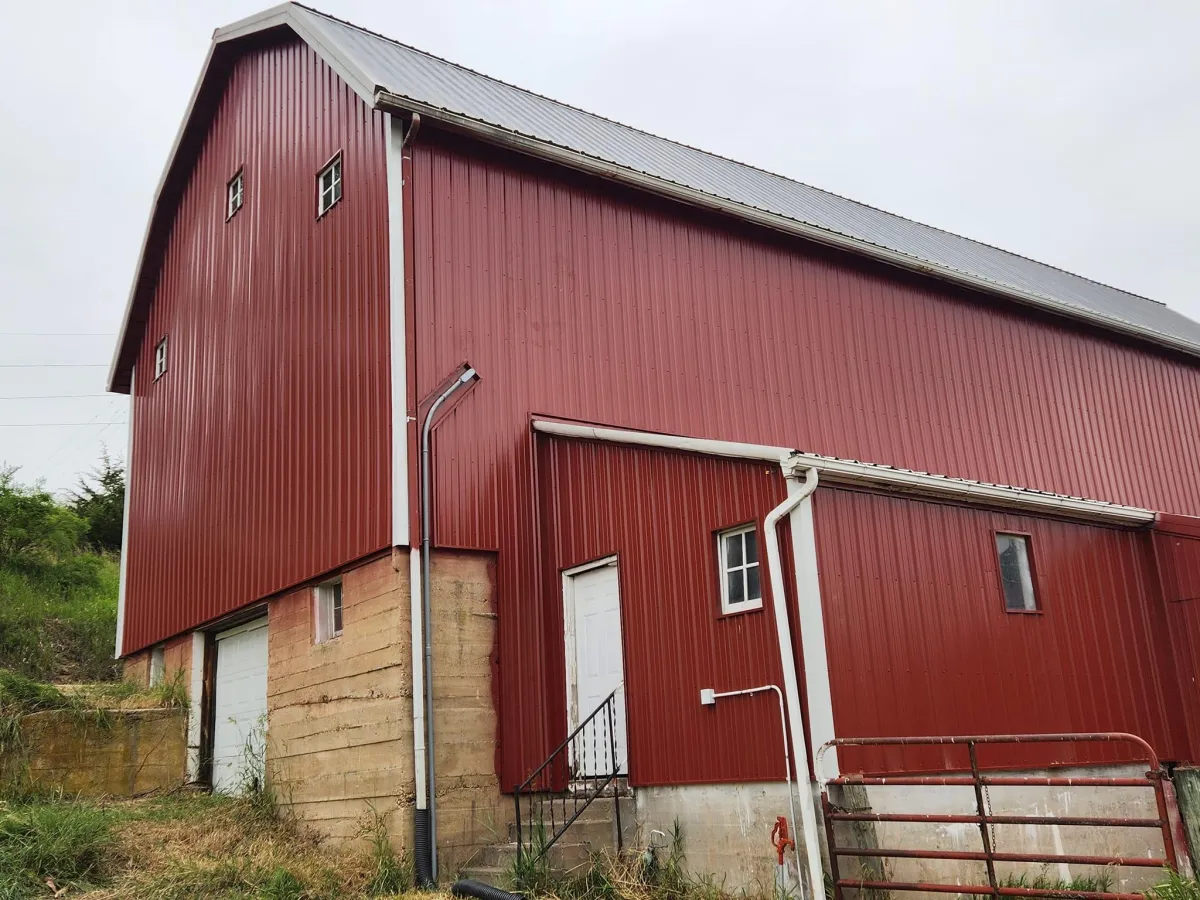
Pole Barn vs. Traditional Barn: Which Is Right for Your Property
If you’re planning to build a barn, one of the first and most important decisions you’ll face is whether to build a pole barn or a traditional barn. While both offer solid, long-lasting structures, they differ in how they’re built, how much they cost, and how they perform over time.
For property owners in Illinois and the Quad Cities, where weather and soil conditions can vary widely, the right choice depends on your goals, budget, and how you plan to use the space. This guide walks you through the differences, pros and cons, and key factors to consider before building.
Understanding the Two Types of Barns
What Is a Pole Barn?
A pole barn—also known as post-frame construction—uses large vertical posts buried deep into the ground or anchored to concrete piers. These posts carry the entire weight of the structure, eliminating the need for load-bearing walls.
Pole barns are popular because they’re fast to build, affordable, and versatile. Many property owners use them for:
Equipment or vehicle storage
Workshops or hobby spaces
Agricultural or livestock use
Modern barndominiums (barn-style homes)
What Is a Traditional Barn?
A traditional barn relies on a full foundation and framed walls. It’s the familiar, classic barn style you see on older farms or heritage properties. These barns are typically built with stick-frame or heavy timber-frame methods and have a longer, more labor-intensive construction process.
Traditional barns are often used for:
Livestock housing
Hay and grain storage
Equestrian facilities
Historic or decorative property features
Key Differences to Know
Before deciding between a pole barn and a traditional barn, it’s important to understand how they differ in structure, cost, and maintenance.
Foundation and Structure
Pole Barn: Uses posts set in the ground or on piers, which support the roof and walls.
Traditional Barn: Built on a continuous concrete foundation that supports framed walls.
Cost and Construction Time
Pole barns generally cost less and can be built much faster because they use fewer materials and require less excavation work.
Traditional barns are more expensive due to added labor, foundation costs, and framing complexity.
Interior Layout
Pole barns are ideal for wide, open spaces because they don’t rely on internal load-bearing walls. Traditional barns, on the other hand, have more internal framing, which can limit open floor plans.
Aesthetic and Design
Traditional barns have timeless appeal and are often chosen for their historic look. Modern pole barns can now be customized with decorative trims, siding styles, and rooflines to achieve a similar charm—without sacrificing function.
Factors to Consider Before Building
Every property and project is different. Here are the main considerations that should guide your decision.
1. Purpose and Use
Ask yourself what you’ll use the barn for.
For machinery or vehicle storage, pole barns are ideal thanks to their open interiors.
For livestock or horses, traditional barns offer more stable temperature control and ventilation.
For multi-use spaces like workshops or barndominiums, pole barns can be finished inside for living or office areas.
2. Budget
Pole barns are usually the more affordable option, averaging between $30 to $60 per square foot, depending on finishes and insulation. Traditional barns can range from $60 to $120 per square foot due to the materials and labor involved.
Always include a 10–15% contingency for unexpected costs such as site grading, permits, or weather delays.
3. Site Conditions
If your land has uneven or clay-heavy soil, a pole barn may be easier to build because posts can be adjusted individually. Traditional barns perform best on stable, well-drained land where a full foundation won’t shift.
4. Climate and Durability
In Illinois’ mix of hot summers, humidity, and cold winters, durability matters.
Pole barns handle ground movement well and can last 40–60 years with proper maintenance.
Traditional barns can exceed 100 years but require regular upkeep like repainting, resealing, or pest control.
5. Maintenance Needs
Pole barns typically have metal siding and roofing, which require less maintenance. Traditional barns may need repainting, wood treatment, and roof repairs more often, especially if built with timber framing.
6. Style and Property Value
If your property has a farmhouse or heritage design, a traditional barn often complements it beautifully. However, modern pole barns can be customized with features like dormers, decorative trim, or brick and stone accents to match existing architecture.
7. Permits and Building Codes
Both structures require building permits, but pole barns generally go through simpler engineering reviews and faster approvals.
Be sure to check local Quad Cities zoning regulations, including setbacks, height restrictions, and whether utilities like electricity or plumbing will be added.
Making the Right Choice: A Quick Guide
To help narrow your decision, here’s a simple process you can follow.
Define Your Goals – Decide if your main use is storage, housing animals, or adding functional space.
Assess Your Property – Consider lot size, drainage, and accessibility.
Set Your Budget – Include both initial construction and long-term maintenance.
Consider Longevity – Weigh the long-term durability of materials versus initial cost.
Work with Professionals – Consult with a contractor experienced in both post-frame and traditional construction methods.
A knowledgeable builder like Fowler Construction can help you determine which structure suits your property, needs, and soil conditions.
FAQs
What is the main advantage of a pole barn?
Pole barns are faster and more affordable to build. They also offer large, open interiors ideal for equipment storage, workshops, or garages.Can a pole barn be finished like a regular building?
Yes. Many property owners finish pole barns with insulation, drywall, electricity, and even plumbing—creating comfortable workshops or living spaces.Which type of barn lasts longer?
Traditional barns can last over a century with consistent maintenance. Modern pole barns, built with treated posts and metal materials, typically last 40–60 years with minimal upkeep.Do pole barns need a full concrete floor?
No. Pole barns can be built with dirt or gravel floors initially and upgraded later with concrete slabs if desired.Which option adds more value to a property?
Both can increase value, but it depends on your location and purpose. Traditional barns offer timeless appeal, while pole barns provide practical, modern functionality that appeals to many buyers.How long does it take to build a pole barn?
On average, 3–6 weeks depending on size, weather, and permits—much faster than a traditional barn, which can take several months.
Conclusion
Choosing between a pole barn and a traditional barn ultimately depends on your goals, budget, and how you plan to use the space. Pole barns are modern, efficient, and cost-effective, while traditional barns provide unmatched character and heritage appeal.
If you want a structure built to last and designed to fit your property perfectly, it’s best to work with experienced local builders who understand both your needs and the Illinois climate.
Fowler Construction specializes in custom pole barns, traditional barns, and complete property builds throughout the Quad Cities area. With expert craftsmanship and local experience, we’ll help you design and build a barn that fits your land, budget, and vision.
Call Fowler Construction at (309) 945-5588 to get started on your project today.
